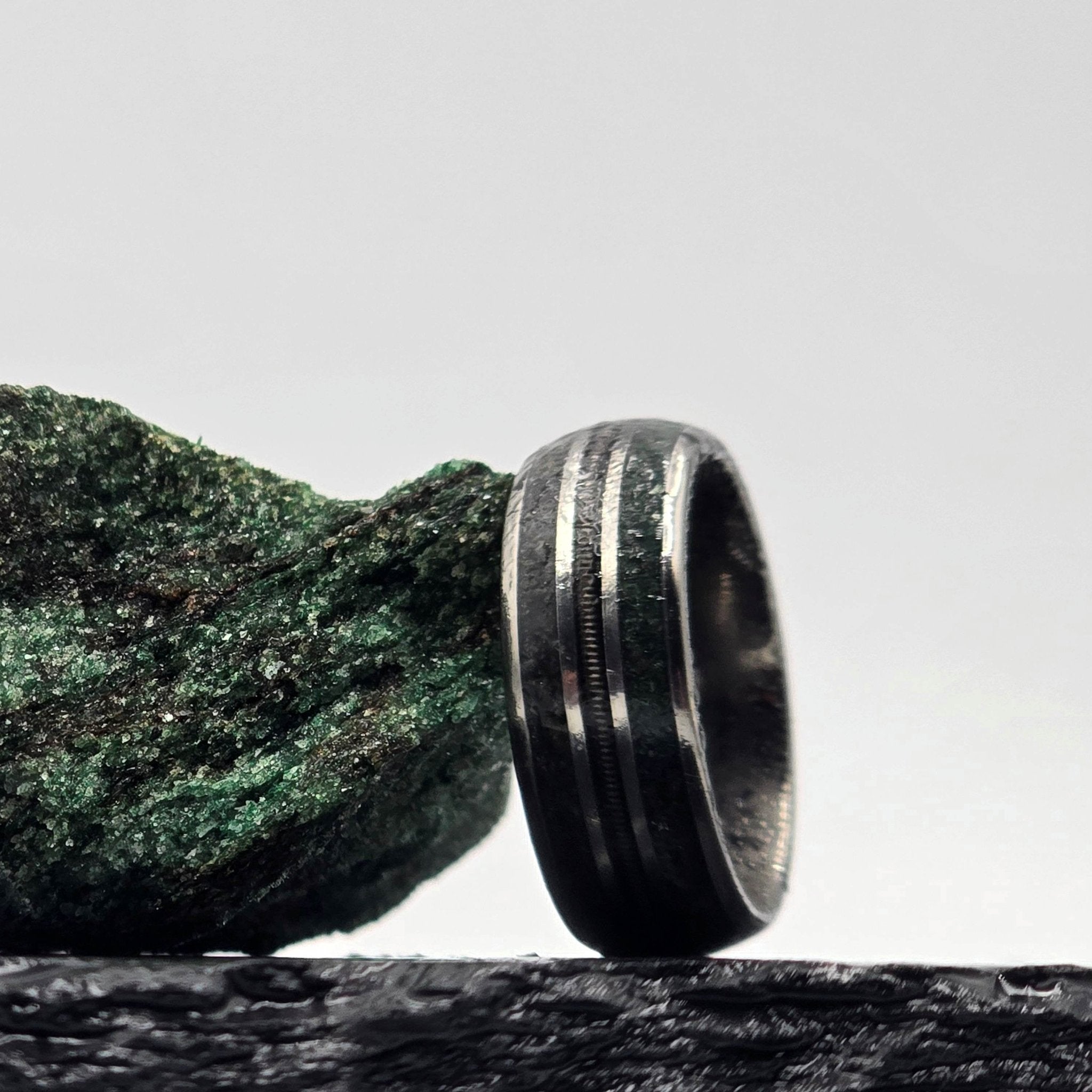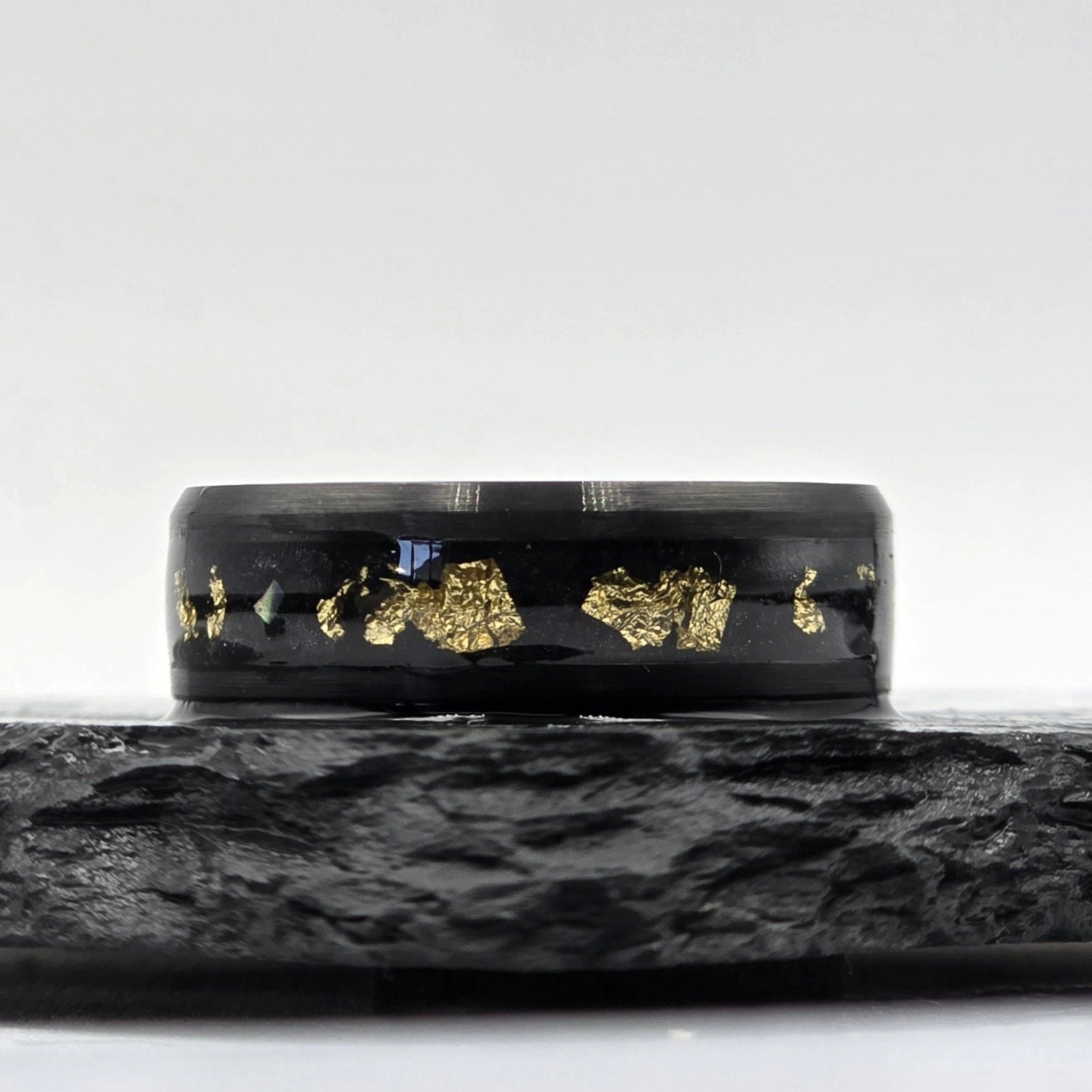

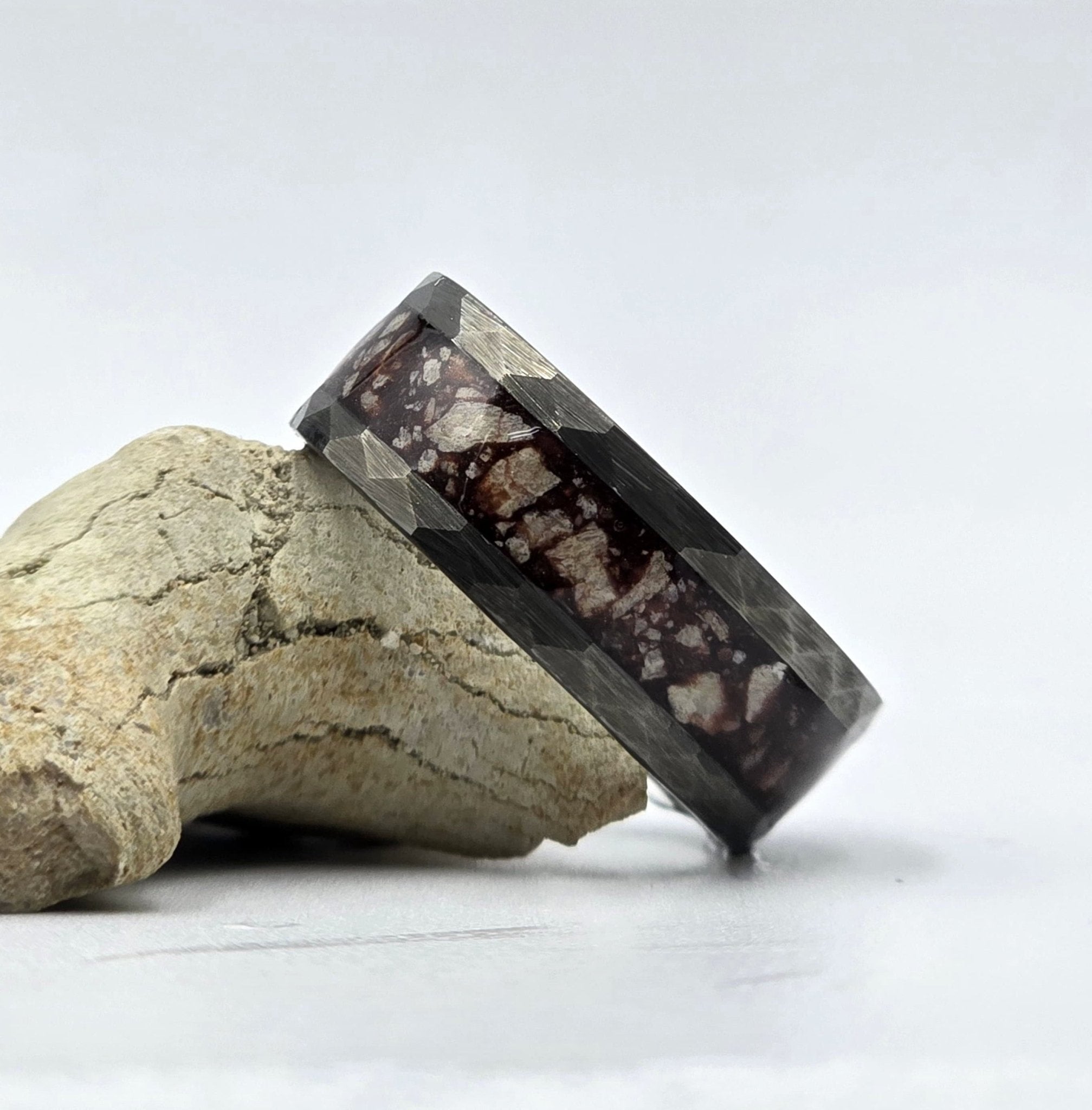
The Blood Jaw: Otodus Obliquus Shark Tooth Fossil Ring
Introduction
There are objects you wear simply for style, and then there are objects that carry a story so deep it stretches back millions of years. The Blood Jaw – Megalodon Tooth Set in Auburn Resin Otodus Obliquus Shark Tooth Fossil Ring is firmly in the latter category. This is not just a ring; it is a tangible fragment of Earth’s ancient oceans, transformed into a modern heirloom.
Otodus obliquus was one of the earliest giants of the shark world, a formidable apex predator that ruled prehistoric seas long before humans existed. Its fossilised teeth, preserved in mineral-rich deposits, have become some of the most iconic and sought-after marine fossils in the world. When one of these genuine teeth is carefully set into a ring, it bridges deep time with contemporary craftsmanship.
This article explores the science, history, and artistry behind the Blood Jaw ring. You will discover where Otodus obliquus lived, why its teeth are so significant, how authentic fossils are sourced and preserved, and what makes this ring a rare and meaningful piece of wearable history. Whether you are a fossil enthusiast, a collector, or someone drawn to powerful symbolic jewellery, this guide will help you understand exactly what you are wearing. View more like it here.
What Is Otodus obliquus? A Prehistoric Shark Legend
Otodus obliquus is an extinct species of large predatory shark that lived during the Paleocene and early Eocene epochs, roughly sixty-five to forty million years ago. This period followed the mass extinction event that ended the reign of the dinosaurs, allowing large marine predators to dominate the oceans once again.
Scientifically, Otodus obliquus belongs to a group of sharks often referred to as the “megatooth” lineage. This lineage is particularly important because it represents the evolutionary foundation that eventually led to the famous Otodus megalodon, the largest shark known to have ever lived. Fossil evidence shows a gradual change in tooth structure over millions of years, and Otodus obliquus sits near the beginning of that evolutionary path.
What makes Otodus obliquus instantly recognisable are its teeth. They are large, triangular, and robust, with distinctive side cusps flanking the main crown. These features indicate a powerful bite designed for gripping and tearing flesh, traits consistent with an apex predator feeding on large fish and early marine mammals.
From a scientific perspective, Otodus obliquus teeth are invaluable. Sharks constantly shed and replace their teeth throughout their lives, which means fossil teeth are relatively abundant compared to shark skeletons. This abundance allows researchers to study variation, growth patterns, and evolutionary trends with remarkable clarity.
The Fossil Record: Where Otodus Teeth Are Found
Understanding where Otodus obliquus teeth are found helps explain both their preservation and their global importance. Unlike bones, shark skeletons are made primarily of cartilage, which rarely fossilises. Teeth, however, are composed of hard enamel and dentine, making them ideal candidates for fossilisation.
Some of the most significant Otodus obliquus specimens come from North Africa, particularly Morocco. The phosphate-rich deposits of regions such as Khouribga formed in ancient marine environments where sediment accumulated rapidly. These conditions allowed shark teeth to be buried quickly, protecting them from erosion and decay.
Moroccan phosphate deposits are renowned in palaeontology for producing exceptionally well-preserved marine fossils. In these deposits, Otodus obliquus teeth are often found with intact roots, sharp serrations, and minimal damage, making them ideal for both scientific study and collectible use.
Beyond Morocco, Otodus obliquus teeth have been discovered in parts of Europe, North America, and the Middle East. This wide distribution reflects the global reach of prehistoric oceans and the dominance of this species across multiple marine ecosystems.
For collectors and jewellery makers, provenance matters. Fossils sourced from well-known geological formations provide confidence in age, authenticity, and preservation quality. This is why genuine Otodus obliquus teeth from established fossil regions are so highly valued.
Fossil Anatomy and What Makes Otodus Teeth Special
The anatomy of an Otodus obliquus tooth tells a story of survival, adaptation, and power. Each tooth typically features a broad central crown with smooth cutting edges and two smaller cusplets on either side. This configuration increased grip and stability when biting into prey.
The root of the tooth is equally important. Otodus obliquus teeth often have thick, well-developed roots, indicating strong attachment within the jaw. This suggests the shark regularly engaged with large, struggling prey that required substantial biting force.
From a functional standpoint, these teeth were designed for efficiency rather than slicing alone. Unlike later megatooth sharks with heavily serrated edges, Otodus obliquus relied on a combination of grip and penetration. This evolutionary stage offers scientists valuable insight into how feeding strategies evolved over time.
Collectors assess several factors when evaluating fossil teeth:
-
Completeness of the crown and root
-
Sharpness and symmetry of the cusps
-
Surface texture and mineralisation
High-quality specimens retain fine details despite being tens of millions of years old. When such a specimen is used in jewellery, it preserves not only aesthetic appeal but also scientific integrity.
From Fossil to Jewelry: The Story Behind the Ring
Transforming a fossil into jewellery requires a careful balance between preservation and design. The Blood Jaw ring begins with the selection of a genuine Otodus obliquus tooth that meets strict criteria for size, stability, and visual impact.
Once selected, the fossil is stabilised to ensure long-term durability. Fossilised teeth are mineralised, but microfractures can exist due to geological pressure over time. Protective processes help reinforce the structure without altering its natural appearance.
The tooth is then set into auburn resin, a choice that is both aesthetic and functional. Resin provides a secure, waterproof environment that protects the fossil from moisture and impact while highlighting its natural colour variations. The warm auburn tones evoke ancient sediment and iron-rich seabeds, reinforcing the prehistoric theme.
The ring itself is crafted from brushed gunmetal tungsten, chosen for its strength, scratch resistance, and modern industrial look. Tungsten is significantly harder than traditional precious metals, making it ideal for daily wear while symbolising durability and permanence.
Every step in this process respects the fossil’s age and significance. The goal is not to overshadow the tooth, but to frame it in a way that allows its story to be worn and shared.
The Blood Jaw Design Elements Explained
Design is where history meets identity. The Blood Jaw ring is intentionally bold, with an eight millimetre width that gives it a commanding presence on the hand. This width allows the fossil inlay to remain the focal point without compromise.
The hammered texture of the tungsten band adds depth and character. Rather than a smooth, polished finish, the textured surface reflects light unevenly, echoing the raw, untamed nature of the prehistoric oceans.
Comfort fit design ensures the ring can be worn daily despite its robust appearance. Subtle interior shaping reduces pressure points and improves long-term wearability.
Protective epoxy seals the inlay, making the ring waterproof and resistant to environmental exposure. This allows wearers to enjoy the ring without constant concern, while still respecting basic care principles.
Together, these elements create a piece that feels ancient yet contemporary, rugged yet refined.
Authenticity and Rarity: Why This Fossil Piece Matters
Authenticity is central to the value of any fossil-based jewellery. Genuine Otodus obliquus teeth are finite resources. No new specimens are being created, and existing deposits are carefully regulated and increasingly scarce.
Each tooth used in the Blood Jaw ring comes from a single prehistoric animal that lived millions of years ago. Once that tooth is set, only a limited number of rings can ever be made from it. This inherent limitation ensures exclusivity.
From a collector’s perspective, owning a verified fossil carries both scientific and emotional value. It represents a direct connection to Earth’s deep past, far removed from synthetic replicas or decorative imitations.
Responsible sourcing is equally important. Ethical fossil use prioritises legally obtained specimens and respects the scientific importance of rare finds. By focusing on well-documented fossil material, this ring honours both history and craftsmanship.
Scientific Significance of Otodus obliquus
Beyond aesthetics, Otodus obliquus plays a critical role in understanding shark evolution. Its teeth represent an early stage in the megatooth lineage, allowing researchers to trace gradual changes in size, serration, and feeding strategy.
Studies of Otodus obliquus fossils help reconstruct ancient marine ecosystems. By analysing tooth wear, size distribution, and geographic spread, scientists can infer prey availability, water temperatures, and ecological dynamics of prehistoric seas.
This scientific context adds depth to the ring. Wearing an Otodus obliquus tooth is not merely symbolic; it reflects a genuine chapter in evolutionary history. It is a reminder of nature’s capacity for both creation and extinction.
How to Care for Your Fossil Ring
Although the Blood Jaw ring is designed for durability, proper care will ensure it remains pristine for years to come. Practical steps include:
-
Removing the ring during heavy manual labour or high-impact activities
-
Cleaning with mild soap and lukewarm water, avoiding abrasive chemicals
-
Drying thoroughly after exposure to moisture
While the epoxy seal is waterproof, prolonged exposure to harsh environments should be minimised. When not worn, storing the ring in a soft-lined box prevents unnecessary scratches.
Treating the ring with respect reflects respect for the fossil itself, preserving both its appearance and its story.
Who Should Wear a Shark Tooth Fossil Ring?
The Blood Jaw ring appeals to individuals who value meaning over trends. It resonates with fossil collectors, ocean enthusiasts, and those drawn to symbols of strength and resilience.
It also makes a powerful gift. Milestones such as graduations, anniversaries, or personal achievements are moments worth marking with something enduring. A fossil ring carries permanence that few modern objects can match.
For many wearers, the ring becomes a conversation piece. It invites questions, stories, and shared fascination with Earth’s ancient past.
Conclusion
The Blood Jaw – Megalodon Tooth Set in Auburn Resin Otodus Obliquus Shark Tooth Fossil Ring is more than jewellery. It is a bridge between prehistoric oceans and modern identity, between scientific discovery and personal expression.
Each ring encapsulates millions of years of natural history, preserved within a design built to last. From the fossil-rich seabeds of ancient Morocco to the skilled craftsmanship that frames the tooth today, every element carries meaning.
Owning this ring is an opportunity to wear a genuine piece of Earth’s past, to honour the power of nature, and to carry a story that predates humanity itself. In a world of mass production, it stands as a rare reminder that some things truly are one of a kind.